
 Countdown288days
- 2026
- 2025
- 2024
- All
- Mainland China
- Taiwan China
- Hong Kong China
- Germany
- Japan
- United States
- South Korea
- Italy
- Switzerland
- Sweden

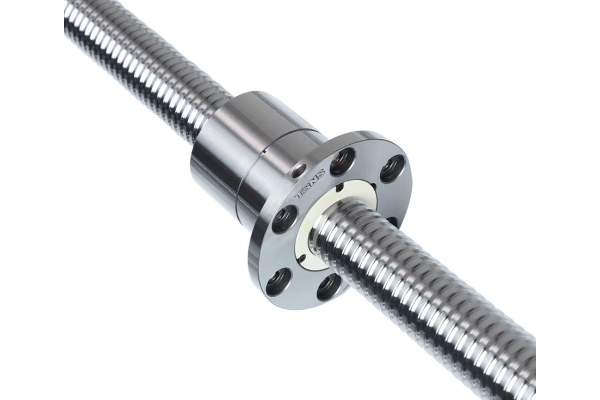
High-precision ball screw
High-precision ball screw: zero backlash, space-saving, low noise
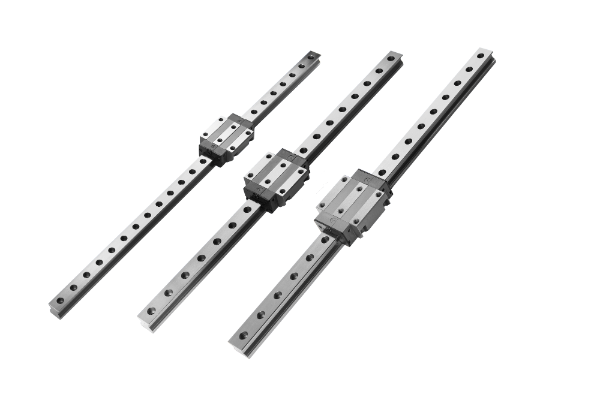
Precision linear guide
Precision linear guide: high rigidity, high load, high speed and low noise
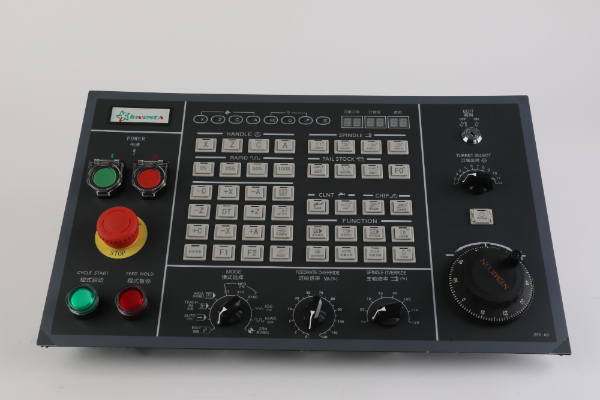
Panel
Center machine for CNC system, lock code function, ergonomic, more comfortable operation, provide a variety of PIC program and power distribution scheme.


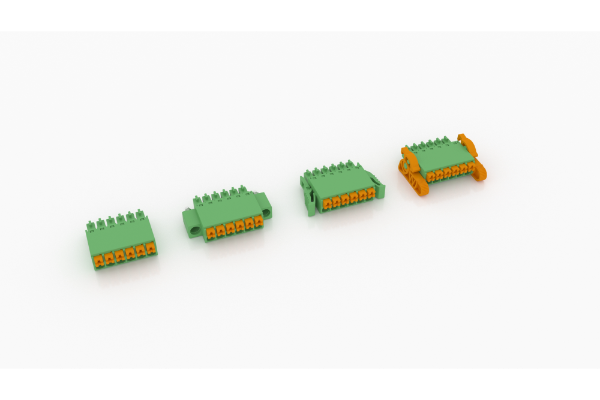
WJ15KV-3.5/3.81 Series
1. Adapt to multiple types of sockets, the device design is highly flexible; 2. Push-in connection technology, fast wiring; 3. Universal installation mode, suitable for various occasions.
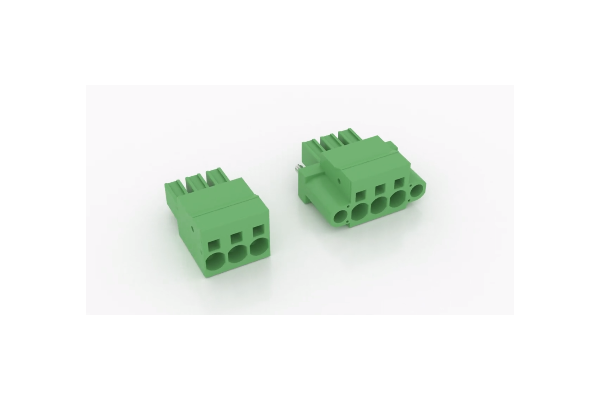
WJ3EDGKV/M-7.62
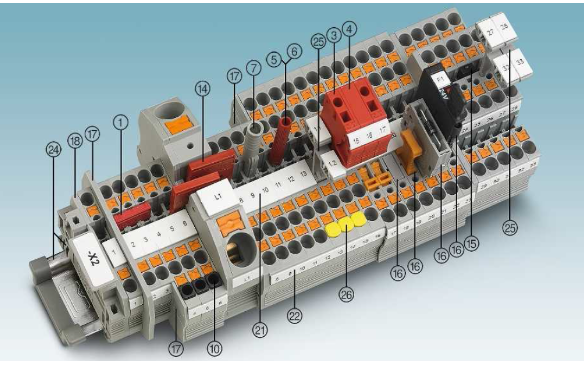
-Time-saving pluggable connection without tools; -The set contact force ensures that the contact remains stable for a long time; -The wire clamping position can be opened by a fixed screwdriver, so that the wire can be connected conveniently; -Built-in steel double reed improves the reliability of the connection, especially in the case of temperature and power fluctuations; -Optimize installation in confined spaces: the conductors can be operated and connected from one direction.

.png)



8-head 3D line lase detection carrier tape package machine
The spring terminal is automatically fed by the motor gear. When cutting the terminal, the circular positioning pin fixes the material belt hole for cutting PIN, and the material is cut by the motor cam mechanism. The index plate sucks the part of the product, and the cut product is moved to the next station by the sucked part. The CCD detection light source station can be equipped with a high-precision diamond mirror to achieve the function of detecting multiple surfaces. CCD1 and CCD2 detect the overlapping, shortage, deviation and other conditions of the product in the previous cutting, the detection signal is sent to the next station, and the defective products are automatically discharged into the box through the pipeline. The packaged shielding cover is manually placed in the storage bin, and the shielding cover is conveyed to the flexible vibration plate by direct vibration; the bottom of the flexible vibration plate is a backlight source, which is convenient for the CCD to position the product; The product suction mechanism is composed of 8 suction heads, 4 of which take the material from the flexible disk and put it into the 3D detection jig, and the other 4 suction heads take the product after detection from the 3D detection jig for tape packaging. The 3D line laser detection replaces the traditional optocoupler detection, realizing zero-cost replacement. The correlation and repeatability accuracy of 3D line laser detection is 0.015 mm-0.02 mm. Products without flatness detection can be directly packed by 8-head machine.

6-head 3D line lase detection blister disc packaging machine
The shielding cover is manually placed in the storage bin, and the shielding cover is conveyed to the flexible vibration plate by direct vibration; the bottom of the flexible vibration plate is a backlight source, which is convenient for the CCD to position the product; The product suction mechanism consists of six suction heads, three of which take the material from the flexible disk and put it into the 3D detection jig, and the other three suction heads take the product after detection from the 3D detection jig and put it on the plastic suction plate. The 3D line laser detection replaces the traditional optocoupler detection to realize zero-cost replacement. The correlation and repeatability accuracy of 3D line laser detection is 0.015 mm-0.02 mm. For products without flatness detection, the blister tray can be placed directly according to the 6-head machine. The blister tray mechanism has the function of AB tray. It is convenient and fast to change the blister tray with different external dimensions. The length and width of the blister tray packaging mechanism can be adjusted by shaking the two-way screw rod and handle. The maximum length is 390 and the width is 310, and the minimum length is 285 and the width is 140.

Hield cover flexible feed line laser and CCD detection blister disc packaging machine
The shielding cover is manually placed in the storage bin, and the shielding cover is conveyed to the flexible vibrating plate at the time of direct vibration; the bottom of the flexible vibrating plate is a backlight source, which is convenient for the CCD to locate the position of the product; the product suction mechanism is a four-suction head, and a single product is synchronously placed on the detection and packaging production line after being sucked and rotated. The whole assembly line can be adjusted back and forth, and the product fixture can be adjusted according to the size of the product, so as to realize zero-cost replacement. 3D line laser correlation and repeatability accuracy 0.01. After the laser detection of the product line, the PPU is transported and put into the transfer line (one out of two). The PPU carries the product from the transfer line to the CCD detection station (one out of one). CCD1 detects the front paint surface of the product from bottom to top, and CCD2 detects the front appearance of the product from top to bottom. The product transfer mechanism is completed by double modules. The operator puts the stacked blister tray into the empty tray bin, and the blister tray taking mechanism takes out the empty blister tray. After the blister tray is filled with products, it is automatically stacked or the blister tray is packed in a staggered manner, and it is taken out manually.

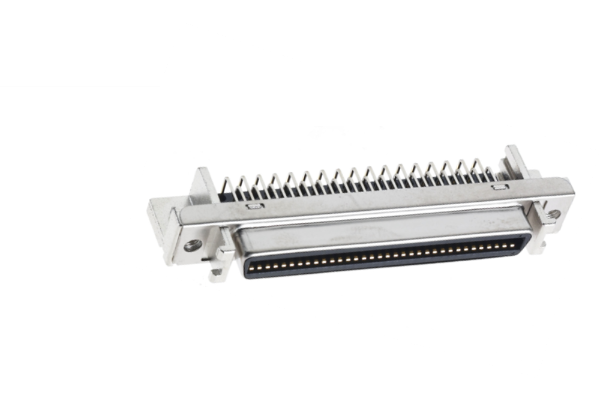
3M Electronic Interconnect Products: Industrial Control I/O Connectors, Connectors for Sensors, Industrial Ethernet Cabling Systems, Machine Vision Cable Assemblies
MDR, SCR, SDR, IEEE1394 and other specifications of the full range of connectors
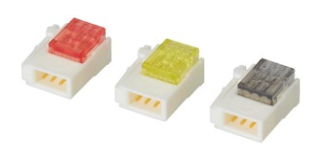
3M Electronic Interconnect Products: Connectors for Sensors and Industrial Ethernet Cabling Systems
Mini clamp, Ministack, Link and other stripping-free connectors with insulation piercing technology support the provincial distribution system of network transmission.
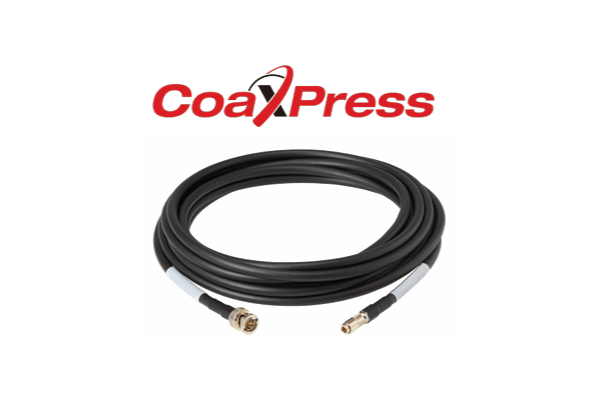
3M Electronic Interconnect Products: Machine Vision Cable Assemblies
Cameralink, USB3V, CXP, GigE and other mainstream industrial camera interface cables in the market are advanced solutions for ultra-long distance and ultra-flexible cables.

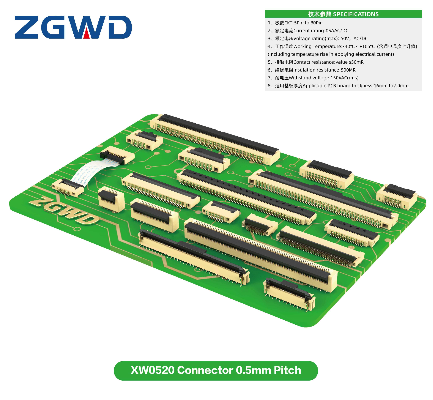
0.5, 1.0 Pitch Flexible Flat Wire Connectors
FFC and FPC connectors (flexible flat cable connectors) are mainly used for signal transmission and circuit board connection of electronic products such as printers, scanners and LCD devices. Its structure is composed of upper and lower insulating foils and flat copper foils, which has the characteristics of flexibility, small size and thin thickness, and supports simple plugging and built-in electromagnetic shielding function.

Wire-to-board connector
Wire-to-board connectors are components used to electrically connect wires or cables to a printed circuit board (PCB). They are designed to provide flexible and reliable connections in a compact space and are widely used in a variety of electronic devices.

.png)


