 Countdown287days
- 2026
- 2025
- 2024
- All
- Mainland China
- Taiwan China
- Hong Kong China
- Germany
- Japan
- United States
- South Korea
- Italy
- Switzerland
- Sweden

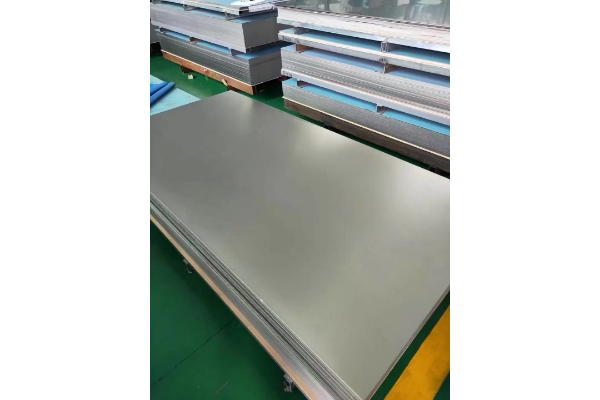
Titanium plywood
Titanium has excellent mechanical properties, weldability and excellent corrosion resistance, high compressive strength, can be used for cutting, welding and other machining, and is generally used as a heat-resistant material and a corrosion-resistant material. It has been widely used in aviation, aerospace, military industry, medical treatment, chemical equipment, seawater desalination, ship parts, electroplating industry and other fields.
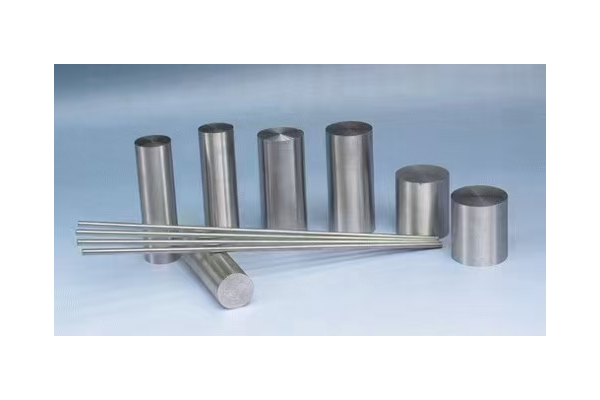
Titanium Alloy Rod
Titanium is a silver-white metal with high strength, low density, strong corrosion resistance and excellent biocompatibility. The bars made of titanium or titanium alloy are widely used in industrial manufacturing, medical equipment, aerospace and other fields. The surface of the titanium rod can present silver bright metallic luster or be oxidized to form a color film layer, and the physical shape of the titanium rod is usually a cylindrical solid rod, and the length of the titanium rod is customized as required
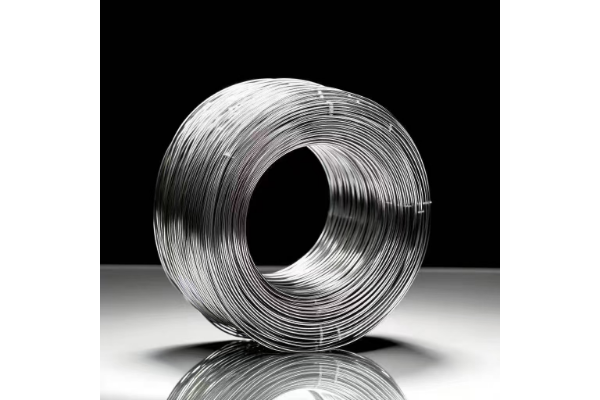
Titanium alloy wire
The strength of titanium alloys even exceeds that of most alloy structural steels. Secondly, titanium alloys have excellent thermal strength and can work stably for a long time at high temperatures of 450-500 degrees Celsius, while the performance of aluminium alloys at this temperature is greatly reduced. Moreover, the corrosion resistance of titanium alloy is excellent, especially in humid environment and seawater, its corrosion resistance is far superior to that of stainless steel, and it has strong resistance to a variety of corrosive media. In addition, titanium alloys have excellent low-temperature properties, and can maintain good mechanical properties even at very low temperatures, so they are preferred as low-temperature structural materials. However, it is also important to note that titanium alloys are chemically reactive and prone to chemical reactions with many elements. At the same time, its thermal conductivity is relatively small, which provides unique advantages for specific application scenarios.




思源宋体.png)

Torque sensor
Runyu torque sensors are based on MEMS silicon strain gauges and adopt glass micro-melting technology. Featuring high sensitivity, high precision and strong overload resistance, they are ideal for collaborative robots, embodied robots, humanoid robots and other related applications. Having broken through foreign technological blockades and taken the lead over conventional domestic technologies, these sensors facilitate large-scale automated production and help ensure better quality control and cost efficiency.

Tension and compression sensor
Runyu tension and compression sensors employ glass micro-melting technology built upon MEMS silicon strain gauges. With outstanding sensitivity, precision and overload resistance, they are perfectly suited for collaborative robots, embodied robots, humanoid robots and other robotic applications. By breaking through overseas technological barriers and exceeding conventional domestic solutions, they benefit large-volume automated manufacturing and help achieve better quality and cost management.